
How to Stop Unauthorized AI Content Use on Your Website
Picture having real control over who uses your site’s content and turning that control into steady income – without slowing the site or annoying real visitors. You’ll learn practical ways to manage AI crawlers that reuse content from WordPress or WooCommerce. These systems don’t skim. They pull huge amounts of text and images, then…

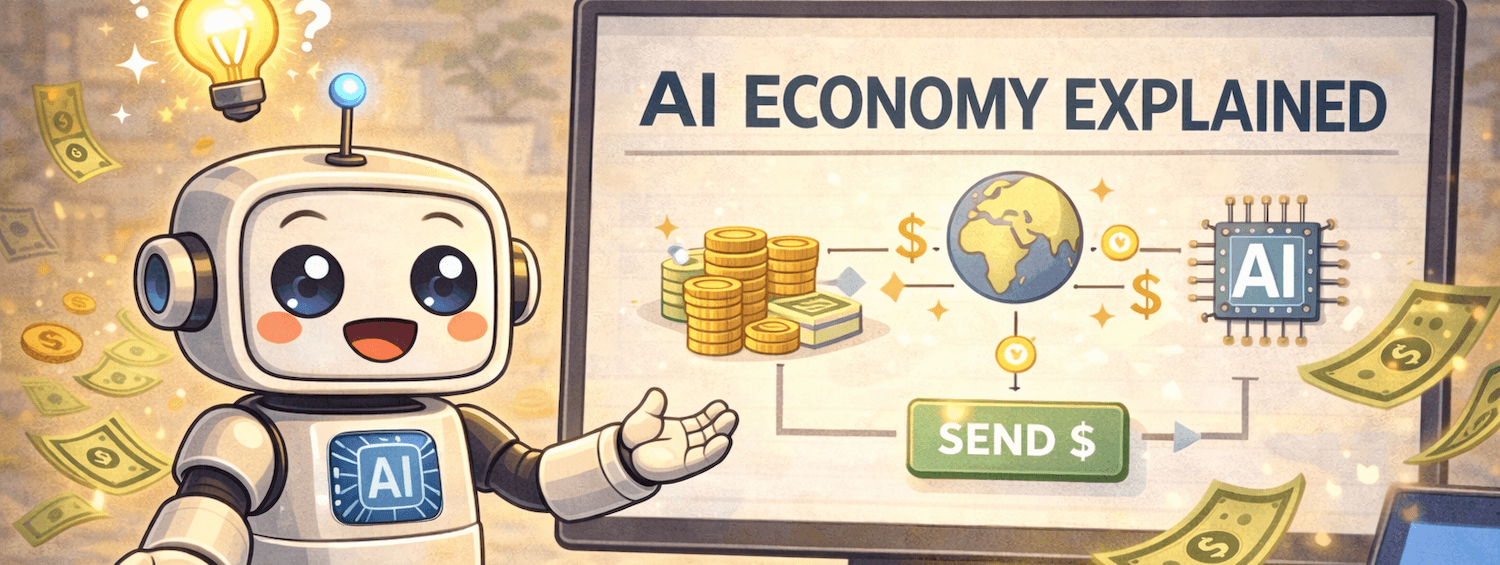
AI Agent Economy Explained
Picture a website where quiet helpers work beside every visitor. AI agents sit in the background, search for deals, compare prices across stores, and finish purchases without forcing people through forms or carts. They act as tireless personal shoppers that already know your preferences and budget. This near-future web mixes people and software in…

Best AI Traffic Monetization Tools for WordPress
AI traffic monetization charges AI bots and agents for access to content, data, or commerce endpoints. It isn’t the usual human paywalls or display ads visitors see. Traditional methods aim at people browsing pages. This model targets automated systems that scrape pages or pull product info without creating ad views or affiliate clicks. For…

How to Prepare and Optimize a WordPress Site for AI Agents
AI agents don’t just load pages. They read sites, interpret meaning, and even take actions like adding items to a cart or booking an appointment. These automated systems explore websites in ways that go far beyond traditional search bots. Unlike people who scan visuals and follow hunches, agents need clear signals such as structured…

How to Make a WordPress Website AI Friendly
An AI-friendly WordPress site isn’t about prettier pages or chasing rankings. It’s about a backend machines read without tripping. Think of a digital space where AI agents follow clear paths, pull clean titles and descriptions, and hit predictable endpoints that act like simple APIs for tasks. Visitors still see the same themes, JavaScript effects,…

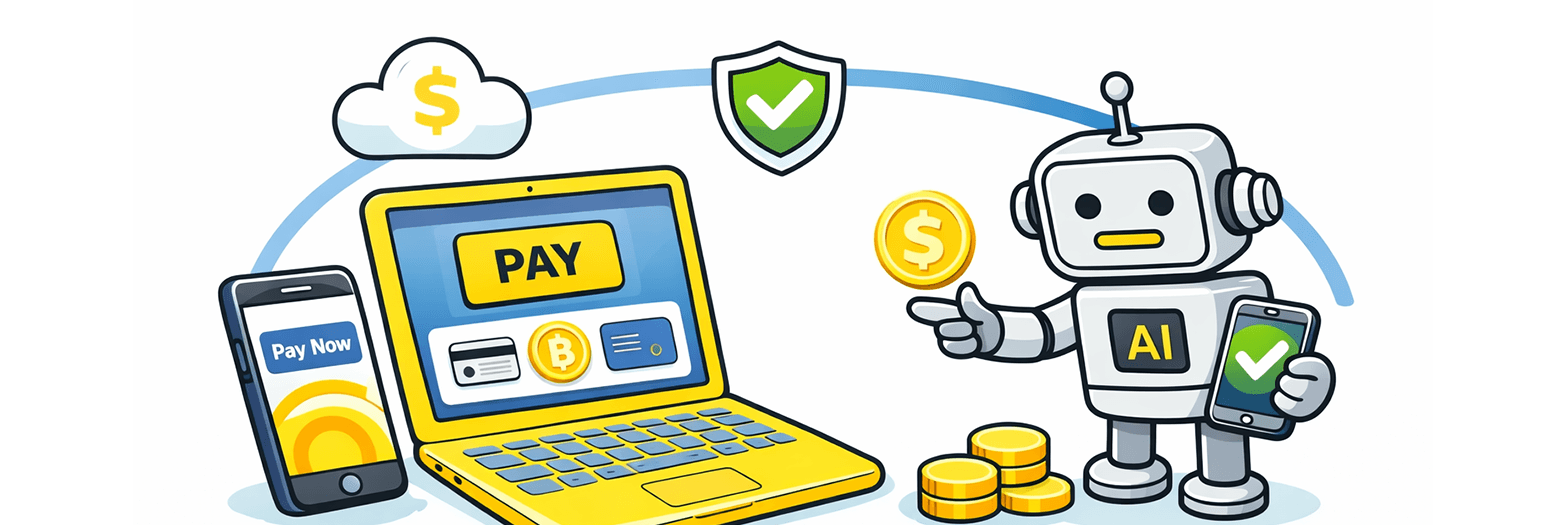
How to Implement an AI payment API on a WordPress website
Picture a shopper on a WordPress store, adding items to a cart, filling out a form, and clicking through checkout with buttons, cookies, CAPTCHAs, and 3D Secure. It’s all built for people. Now picture an AI agent trying to buy the same way. No eyes, no clicks, no puzzles. No browser at all. It…

The Future of AI Payments
Picture a travel bot building a trip at 2 a.m. It finds flights, hotels, and cars in seconds. Then checkout hits. Carts fail to load. CAPTCHAs demand proof. Card forms ask for details no machine owns. The purchase flow was made for people, so the agent stalls. Most checkouts revolve around screens full of…