The Best WooCommerce AI Plugins
Picture a WooCommerce store that serves two types of visitors: people and AI agents. The agents browse, ask questions, and even place orders on their own. This isn’t science fiction. It’s happening on real stores right now. Shoppers click through pages and check out, while AI works through APIs and direct requests, talking to…

How to Stop Unauthorized AI Content Use on Your Website
Picture having real control over who uses your site’s content and turning that control into steady income – without slowing the site or annoying real visitors. You’ll learn practical ways to manage AI crawlers that reuse content from WordPress or WooCommerce. These systems don’t skim. They pull huge amounts of text and images, then…
Best AI Payment Plugins for WordPress and WooCommerce
AI agents are starting to browse and act on the web in new ways. Some even place orders. Few sites let them pay on their own, though. Most payment flows still assume a person is clicking through pages, relying on cookies, and typing into forms. AI‑native payments work like a direct handshake between an…

How to Create an AI Paywall for Specific WordPress Posts and Pages
Picture a simple switch in WordPress that asks AI crawlers to pay a tiny fee before they read a post, while every human visitor reads it like normal. You’ll set this up with PayLayer in about 10 minutes. It’s a clear way to stop free scraping by bots and language models, and it helps…

AI Agent Economy Explained
Picture a website where quiet helpers work beside every visitor. AI agents sit in the background, search for deals, compare prices across stores, and finish purchases without forcing people through forms or carts. They act as tireless personal shoppers that already know your preferences and budget. This near-future web mixes people and software in…

Best WordPress Plugins to Charge AI Crawlers for Access
Picture your WordPress site like a busy library. Not with people checking out books, but with AI systems skimming every page to train chatbots and search tools. These systems pull content at huge scale, yours included, and they don’t pay unless you set rules and enforce them. Robots.txt feels like a polite sign on…

How AI Agents Pay for Content
Picture an AI agent like a customer at a vending machine. It asks the machine – your website – for a snack, maybe an article or data from an API. The machine shows the price, like that glowing button on a vending machine that signals payment. The AI pays on its own and gets…

How to Monetize AI Crawlers on Your WordPress Website (Complete guide)
Most websites get quiet, constant visits from AI crawlers like GPTBot from OpenAI, Google’s Gemini, and Anthropic’s Claude. These bots scan pages to collect facts and context for answers users see in AI tools. They aren’t people – they’re scripts built to pull text for training or to generate summaries. Picture a librarian who…

How to Implement HTTP 402 Payments on a Website
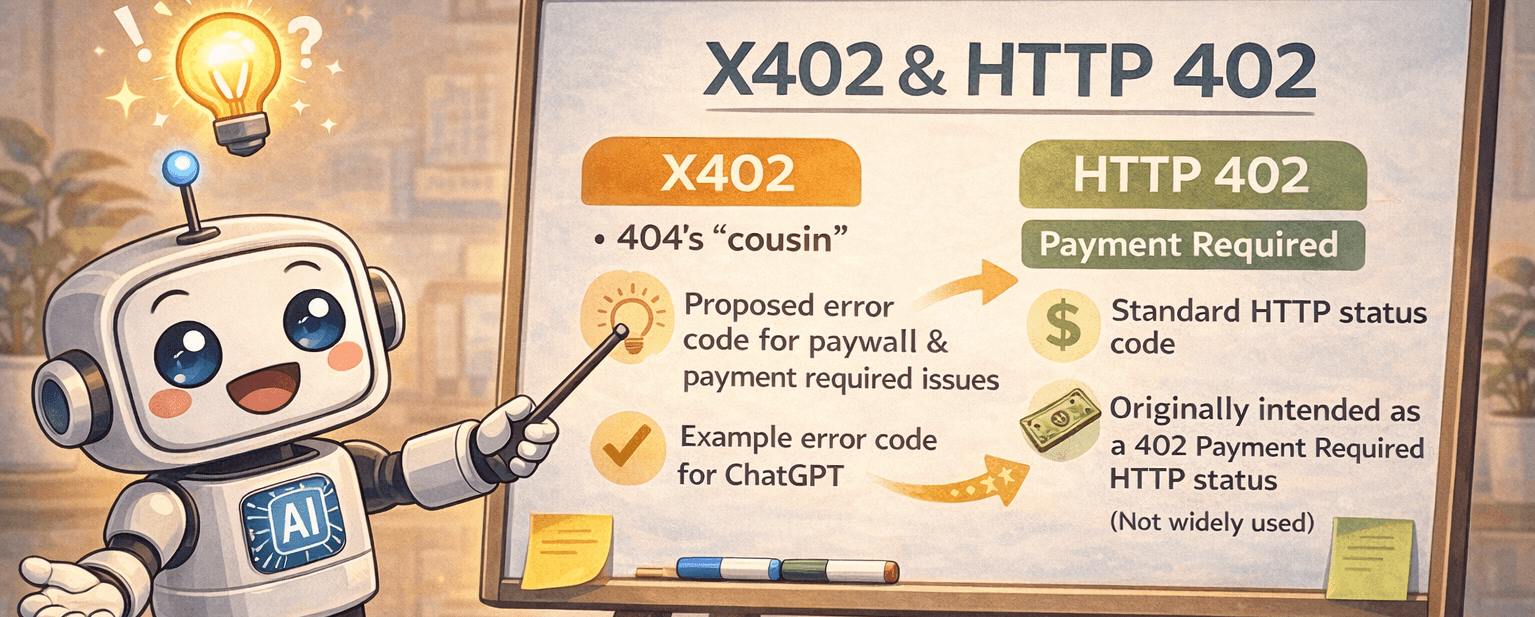
HTTP 402 (Payment Required) isn’t new, but it’s getting real attention in 2026 for a different reason. It tells a site visitor there’s a cost to reach the resource. Not a permission issue. A payment issue. It’s direct: “Pay first.” Here’s the interesting part. Site owners can apply 402 to bots like AI crawlers…

How to Require ChatGPT to Pay for Crawling Website Content
ChatGPT forms answers from licensed sources, what people type in, and live web pages fetched through its browsing tools. It’s not just a big offline library. It reaches out in real time, pulls short excerpts, and uses them to complete a response, so a site’s content might end up feeding those answers without anyone…