
AI SEO isn’t about stuffing keywords or churning out posts faster. It splits into two clear tracks. One set of tools helps teams write and refine content so it reads well and ranks. Think editors and on-page checkers that guide structure, tone, and search intent. The other set focuses on how AI agents find sites, crawl them, and trigger revenue events tied to those visits.
This guide groups plugins by what they actually help with. It looks at workflow fit, technical depth, data they rely on, and how they deal with AI-first discovery. The goal is simple: match needs to the right tool without hype.
Search behavior shifted with platforms like Google’s SGE, Bing Copilot, Perplexity, and GPT-powered browsers. Results don’t live on a classic page of blue links. Answers appear inside chat, sidebars, or overlays. Visibility now depends on how well content feeds those systems and how it gets quoted or summarized.
WordPress owners see new traffic from LLM crawlers and API-based fetchers that don’t act like normal browsers. They request text differently, skip scripts, and hit endpoints instead of pages. This changes content strategy and revenue models. Sites may need rules for bot access, rate limits, attribution, and paywalls that recognize these agents, not just human visitors.

Yoast adds AI guidance for on-page analysis in WordPress
Yoast has been a trusted on-page SEO tool for years. It checks titles, meta descriptions, schema markup, and readability so content stays sharp. Now it adds AI suggestions right in the editor, the checks get smarter, and it stays away from crawling or paywall tricks. Writers get nudges that feel like an SEO pro is nearby.
- Real-time signals show how well focus keyphrases appear across the draft.
- Suggestions surface internal link opportunities to strengthen site structure.
- Snippet previews show how a page may look in search results before it goes live.
Yoast’s schema output and XML sitemaps still do the heavy lifting. They help search engines read page context and relationships. The AI features refine those recommendations without changing crawl access rules or controlling bot behavior. The focus stays on content quality, not technical gatekeeping.
This mix of proven SEO tools and AI guidance fits editorial teams that want consistent quality control inside WordPress. Workflows stay intact. Writers get a smarter layer of insight that helps polish posts with confidence.

AIOSEO offers a broad toolkit with AI-assisted on-page help
All in One SEO (AIOSEO) is a straightforward toolkit for WordPress. It covers the basics – title and meta templates, schema markup, XML sitemaps – and adds AI helpers to draft and refine metadata and brainstorm content ideas.
- Suggests internal links to keep visitors exploring more pages
- Recommends FAQs and structured data to stand out in search results
- Works with WooCommerce product schema for stronger product pages
- Prompts for image alt text to improve accessibility and crawling
- Stays focused on classic search visibility, not AI bot fees or access rules
Its rich results support sends clear signals to search engines. Pages get indexed more cleanly, and those enhanced snippets show up more often. That boost matters when clicks are tight.
For site owners with a mix of posts, pages, and products who want one dashboard with helpful AI nudges to speed routine SEO work, AIOSEO fits well. It keeps the process simple but offers enough depth to keep a site organized and visible.
Comparing Yoast, AIOSEO, and SurferSEO for data‑driven content optimization
SurferSEO uses live SERP data to guide writing with real accuracy. It recommends word counts, heading structures, and entities based on what top-ranking pages cover, so writers can match search intent and topical depth.
Most teams draft in Surfer’s editor or a linked Google Doc. The tool shows a content score that compares the draft with competitors. It flags missing terms or sections and points to where the draft falls short. After revisions, the finished piece goes into WordPress for final edits and publishing with plugins like Yoast or AIOSEO.
SurferSEO doesn’t handle crawling rules or AI bot access. It focuses on content quality for real readers who arrive from search, including people influenced by AI summaries. There are no technical backend settings – just measurable changes that tie back to SERP performance.
This setup fits editorial teams who want data-backed briefs and clear revision guidance before hitting publish in WordPress. In a Yoast vs AIOSEO vs SurferSEO comparison for WordPress workflows, Surfer is the pick for content built on real-time competitive insights, not a simple checklist.
Jasper speeds up drafting for WordPress while editors ensure E‑E‑A‑T
Jasper AI for WordPress SEO speeds up the messy first steps of writing. First drafts, product descriptions, short social posts – it gets words on the page fast. It keeps tone and style consistent across pieces, which helps teams stay on brand during busy weeks. Speed doesn’t replace judgment though. Editors still verify facts and align work with E-E-A-T.
Many teams start with an outline from a tool like SurferSEO, which uses real search data. Jasper then drafts most of the article in minutes and hands it off for cleanup. Final edits happen in WordPress, where plugins such as Yoast or AIOSEO handle titles, meta descriptions, schema, and internal links before publish.
- Outlines come from data-backed briefs or SurferSEO.
- Jasper produces the first draft fast.
- Editors refine and optimize in WordPress with Yoast or AIOSEO.
- Checklists and citations anchor claims, reduce factual drift, and prevent over-optimization.
This setup suits teams with big backlogs – category pages, FAQs, product copy – where AI drafting removes grunt work while editors keep a tight grip on quality. It fits workflows that value speed plus review. Content ships sooner, and trust stays intact.
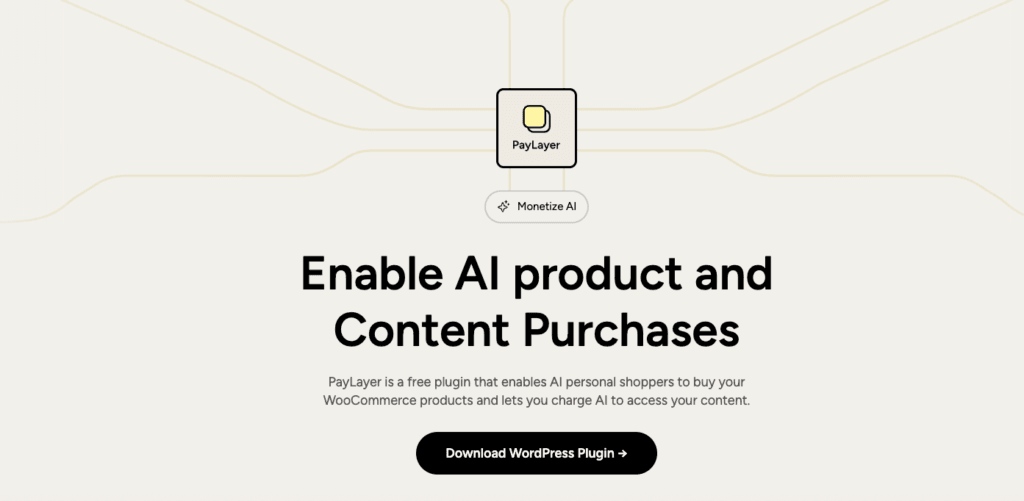
PayLayer controls and monetizes AI crawling, complementing traditional SEO plugins
PayLayer AI SEO plugin for WordPress focuses on a job most tools skip: controlling how AI agents interact with a site behind the scenes. It isn’t for rewriting titles or drafting posts. It spots automated visitors, sets rules for what they can reach, and makes sure payments happen when bots pull products or premium content.
It opens machine-readable paths so AI crawlers follow payment steps without getting in the way of normal visitors. Site traffic stays steady. Fees can be tiny and tied to each URL. Access levels can differ by bot. Usage is tracked with clear credit.
- Exposes purpose-built endpoints AI systems use to request and pay for data
- Supports micro-payments and tiered permissions for different agents
- Delivers content in formats that log usage for proper attribution
- Preserves human browsing while adding security against abusive scrapers
Yoast, AIOSEO, SurferSEO, and Jasper focus on content creation and optimization. PayLayer sits beside them and controls the new zone where AI discovery meets revenue. Workflows stay familiar.
Site owners who want control in a world of paid API crawling and smart bot access get a practical edge with PayLayer. It sets clear rules over who reaches digital assets, and at what price, while trusted optimization tools keep doing their jobs.
Have questions or feedback? Drop a note below.
Leave a Reply