
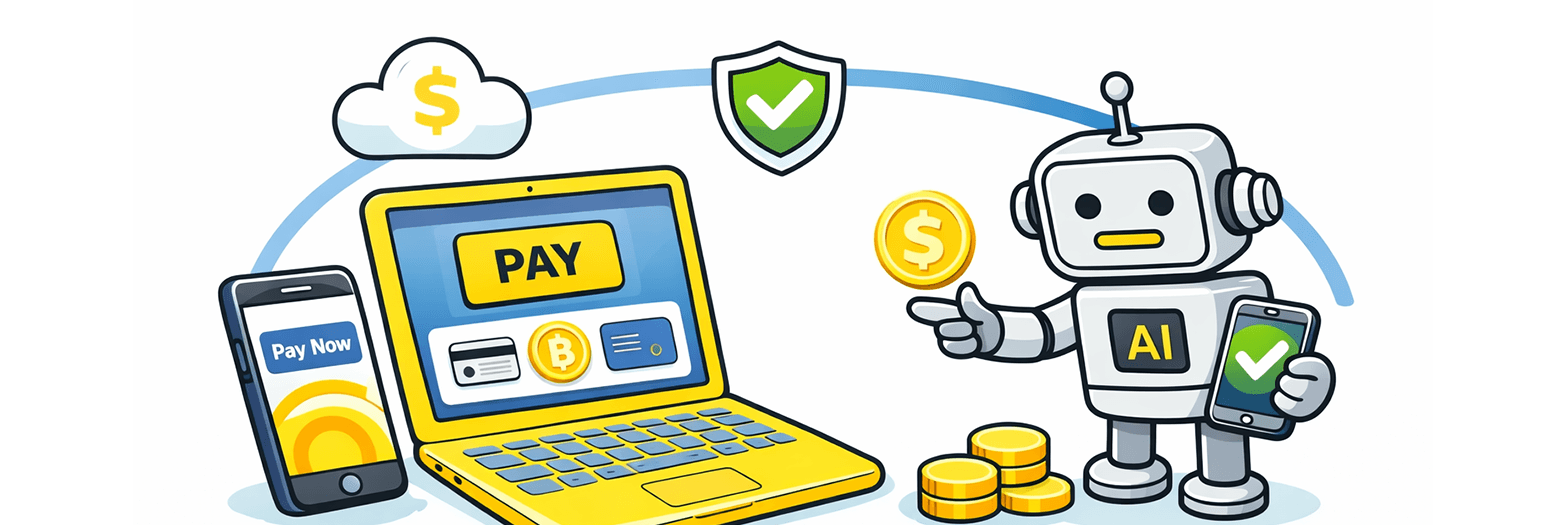
A how-to article used to earn steady ad money every time someone loaded the page or clicked an ad. More views meant more revenue from CPM and CPC. Affiliate links brought in extra when readers bought the products.
Now AI assistants scrape and summarize that same content inside chat windows. No clicks. No pageviews. Just instant answers. The article still does the work, but ad systems don’t count it because they only log human actions like page loads and ad clicks.
CPM pays for human views. CPC pays for human clicks. CPA and affiliate payouts depend on purchases tied to trackable user sessions. These models rely on browser signals that prove a person showed up. AI agents fetch and parse text quietly in the background, never firing the events analytics expect. Filters remove bots, and AI traffic doesn’t look like a normal visit, so it disappears from reports.
Publishers see fewer visitors on paper even as AI chews through their pages around the clock. Recipe guides and quick fixes once pulled strong click-through rates from people looking for step-by-step help. Many of those queries now end with a short assistant response stitched from multiple sources, with no handoff to the original site.
Affiliate revenue drops for the same reason. Commissions rely on referral tags and cookies set during real browsing. AI lifts product details without creating a tracked session, so sales influenced by the content never get attributed back.
This isn’t “ads are dead.” Monetization is shifting away from counting views and clicks and toward models that price access to the content machines use directly.
How traditional ad funnels assume humans and where they break with AI assistants
Online ads don’t just appear out of nowhere. A page loads, the site fires an ad request, and an auction starts as buyers bid to win the spot. The winner serves an ad. For it to count as seen, at least half the pixels must sit on screen for one second or longer. That metric is “viewability.” A click gets tracked as a separate event.
Several tactics push those metrics higher because they assume real people are on the page. Header bidding invites more buyers to compete at the same time, which raises bid pressure before an ad shows. Lazy loading waits to fetch ads until they’re near the viewport, so the page feels lighter and ads appear when someone scrolls. Sticky units stay on screen while a person moves down the page, which boosts the odds an ad remains viewable.
All of this depends on human actions – scrolling, pausing, clicking. AI agents don’t do that. They fetch content in the background without rendering a page like a browser, so they don’t generate viewable impressions or clicks.
Even a 15-25% drop in search clicks on high-intent pages can dent revenue more than it first looks. Those pages draw higher-priced ads and drive affiliate sales. Fewer clicks means fewer premium impressions, and commissions fall faster than the headline traffic loss suggests.
AI answers also trim long-tail searches that usually pull readers deeper into a site. Session depth shrinks, fewer ad slots get served per visit, and total fill declines. Brand queries or home page landings might hold steady, but they don’t offset the gap. Overall RPM leans on engaged sessions stacked with valuable ads, and there are fewer of those when long-tail discovery fades.
How to monetize AI traffic by charging for access instead of impressions
AI monetization flips who pays. Machines get the bill, not people. Publishers charge each time an AI pulls content, whether by API call, tokens out, a document served, or a specific action. It treats AI like a customer paying for what it uses.
Machine interactions don’t match old web metrics.
- Request rate: counts how often an AI asks for data in a time window.
- Response bytes: totals the data sent back per query.
- Tokens generated: measures text output in small units as a model writes.
- SKU or action executed: logs concrete steps the AI triggers, like putting a product in a cart.
Access can sit across three simple tiers that balance openness with revenue.
- Free tier: limited crawl access via robots.txt with tight rate limits to protect servers.
- Paid basic tier: higher throughput with cached answers so common queries stay fast and cheap.
- Premium tier: fresh, full-detail content with priority routes for apps that need up-to-the-minute accuracy.
Some content maps to these models with little friction. Informational pages pair well with paid crawl fees. Tools and datasets fit API-based pricing. Commerce sites can charge for AI-driven carts and checkouts, with programmatic caps to control spend.
Two new revenue streams, paid AI crawling and agent‑driven purchases
Paid AI crawling gives publishers a direct way to earn when identifiable AI agents index their content. Sites authenticate these bots with API keys, mutual TLS (mTLS), or signed headers to confirm who’s asking. Each request gets metered at edge servers. Every document fetched or token generated carries a fee. Publishers get paid when an AI pulls data, so invisible traffic turns into visible revenue.
Freshness changes the price. Real-time prices, inventory changes, and live sports scores cost more. Cached snapshots that don’t need instant accuracy cost less. Publishers post machine-readable pricing manifests so agents can see rates up front and auto-negotiate based on data type and freshness needs.
AI-driven purchases add another revenue stream on the commerce side. Authorized agents can add products to WooCommerce carts and complete checkouts with stored credentials within preset spending limits. Each transaction logs detailed provenance data so merchants know which agent bought what and why. Auditing and trust depend on that level of detail.
Keeping this safe needs tight risk controls. Per-agent rate limits stop a single bot from flooding requests. SKU allowlists and denylists govern what an agent can and can’t buy. Refundable holds reserve funds during checkout to manage payment risk. Dispute workflows define what happens when a purchase goes wrong. Purchase intent schema requirements force agents to submit SKU, quantity, max price, and justification before approval, which keeps buying decisions transparent.
Implementing an AI paywall on WordPress with PayLayer and WooCommerce
Site owners who want to charge AI traffic can add a paywall that treats people and bots differently. Regular visitors see the same site, with ads and subscriptions as usual. When the server detects an AI agent, it returns HTTP 402 or a JSON response that asks for payment before access. People browse normally, but machines get a clear bill.
PayLayer sits in the middle as both gate and cashier. It identifies AI agents through user-agent checks, known bot IP ranges, or signed requests that prove identity. Once flagged, PayLayer returns machine-readable pricing so agents know the cost for each action or page. If the agent pays through an API call, PayLayer completes the transaction and then issues content tokens or grants direct access based on the purchase.
WooCommerce brings product purchases into this flow. An agent can request a product, and then PayLayer checks rules like spending caps or allowed SKUs. It adds items to the cart through REST APIs, confirms store policies, and runs the payment through approved methods on the merchant’s account. Each order stores metadata about the agent, the rules applied, and the payment terms so merchants see clear records.
Setup uses a WordPress plugin built for these interactions. Admins define robot access, free allowances, and paid tiers based on request frequency or token usage in the pricing plan. Tests run with sandbox agents that simulate real traffic. Ads and human browsing stay untouched during rollout and after go-live.
How to choose the right mix of ads and machine pricing, and how to measure it
Ads still work well for real readers who spend time on a page and interact. Charging AI agents for access adds a new revenue line that sits alongside ads and subscriptions. Publishers keep both streams, earning from people and from machine traffic that never sees an ad.
Use a few rules to match each part of the site to the right model:
- Keep traditional ads on pages with deep sessions and strong human interaction.
- Turn on paid AI access for pages or APIs hit hard by crawlers, quoted often in assistant answers, or serving time‑sensitive information like live scores or pricing.
- Measure both. Track RPM for human impressions and RPA for agent requests to learn what stays profitable after costs.
Privacy and compliance matter. Document why agent data gets processed, honor robots.txt and opt‑out headers, and set terms that forbid unauthorized model training if needed. Keep lean logs and short retention windows to reduce risk.
First, log how many requests come from known agents to set a fair price later. Pilot paywalls on high‑value endpoints, then expand. Test agent checkouts with a small product set to manage risk. Use dynamic paywalls and personalized subscription offers for people while tuning machine pricing on its own, like peak versus off‑peak rates or freshness fees, so reader subscriptions stay protected.
Map content to the right revenue path now to turn invisible AI visits into visible income later without disrupting loyal readers’ experience.
Leave a Reply